Genetics Set the Stage. You Do the Work.
Understand genetics, stop comparing, and focus on what you control.
MENTAL REPS

I overheard someone at the gym say “I’ll never have glutes like her. She has better genetics. And she doesn’t even train.” We hear things like this all the time and I thought it is time to talk about it!
Someone has a certain body shape, fuller glutes, broader shoulders, or more muscular-looking legs, and we immediately assume they were simply born with better genetics.
And yes, genetics matter.
But probably not in the way we think.
You Can’t See Someone’s Genetics
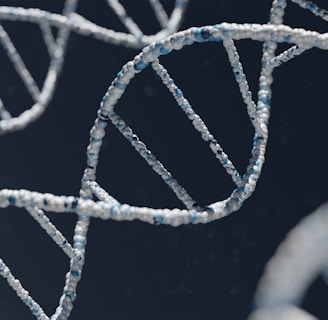
Genetics can influence your bone structure, proportions, muscle shape and insertions, where you naturally store fat, and even how your body responds to training.
But looking at someone doesn't tell you exactly why they look the way they do.
Someone can naturally have a fuller-looking lower body because of their proportions or where they store fat. That doesn't necessarily mean they have a lot of developed more muscle in certain areas.
And when someone says, “He/She doesn't even train,” we don't really know the full story. We don't know their training history, how active they are outside the gym, or how their body composition has changed over the years.
There is simply more to the picture than what we see.
Genetics Aren’t an Excuse
Two people can follow the same training program and still look different.
One might build muscle more easily. Another might have naturally favorable proportions. Someone else might respond faster to a particular type of training.
That's genetics.
But genetics aren't an excuse to not train or to give up reaching certain goals.
They influence your starting point and how your body may respond to training. They don't decide whether you put in the work.
You can't choose your muscle insertions or bone structure.
But you can choose to train consistently, progressively overload, eat well, recover, and give your body a reason to adapt.
And Your Body Will Change
This is another part we often forget.
Someone might naturally have a body composition that gives them a certain look without ever stepping into a gym. But our bodies don't stay the same forever.
As we age, maintaining muscle and strength becomes increasingly important. Without resistance training, we gradually become more susceptible to losing muscle and physical capacity.
So having a naturally favorable shape today doesn't mean you'll automatically maintain the same muscle and body composition throughout your life.
Training isn't just about building muscle. It's also about keeping it.
Stop Comparing Your Body to Someone Else's
This might be the biggest takeaway.
You don't know someone else's genetics.
You don't know their training history.
You don't know their nutrition, activity, recovery, or what their body will look like years from now.
So comparing your body to theirs isn't a very useful measurement of your own progress.
Instead, compare yourself to yourself.
Can you lift more than you could six months ago?
Can you do something today that you couldn't do before?
Have you built more muscle, improved your technique, or become more consistent?
Those are the comparisons that actually tell you something.
Work With What You've Got
You may not have the exact genetics you wish you had.
Neither does anyone else.
Genetics can influence your starting point, your proportions, your muscle-building potential, and how you respond to training.
But they don't determine your effort.
You can't choose your genetics. You can choose what you do with them.
So don't waste your energy trying to look like someone else.
Train the body you have.
Get stronger than you were.
Build what you can build.
Your best comparison isn't someone else's body. It's your past self.
That's how you Realize Your Strength!